What I taught my children about studying, starting from the week they entered school
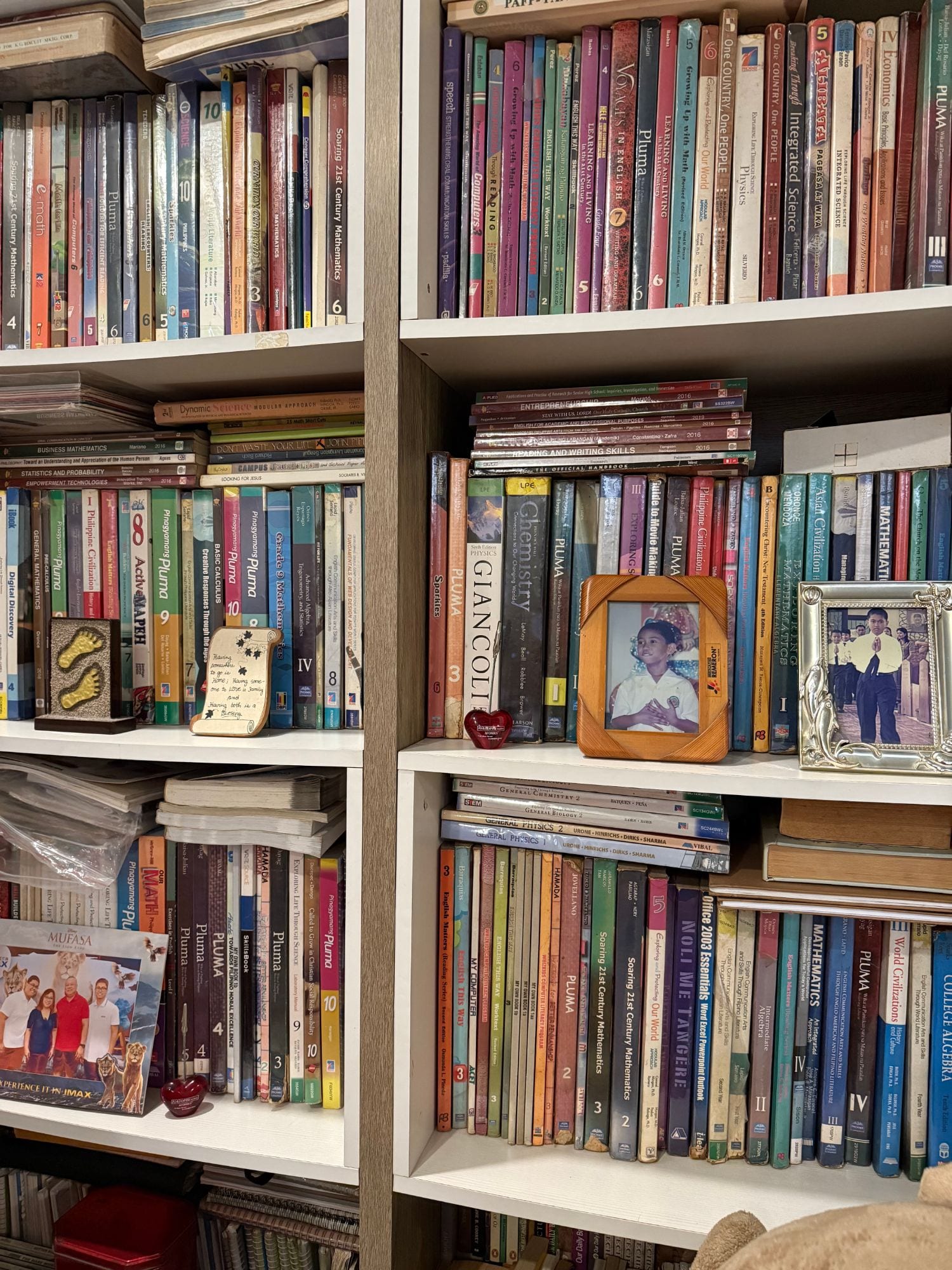
I taught my children how to study before they had anything worth studying.
The lessons in the first year of school are small. Colors, letters, the names of animals. Nothing that requires a method. But that is exactly why I started there. The material was easy enough that the habit could be the only difficult part, and a habit built on easy material holds when the material stops being easy.
So, we sat down with the books. The first thing I had to teach them was what studying is not.
Flipping pages is not studying
A child will open a book, run their eyes down the page, turn it, do the same to the next one, close the book and announce that they are finished. They are not lying. It felt like something. It took four minutes.
Then the test comes and there is nothing there.
I watched this in some children when they were small, and I watch it now in my students twenty or more years older. Recognition is not memory. A page you have passed your eyes over feels familiar, and the mind takes that familiarity as proof that it knows the thing. It does not know the thing. It has only met it in passing, the way you meet someone at a wedding and cannot produce the name a week later.
So the rule in our house was plain. You do not flip. You read and understand.
Three encounters
Here is what I asked of them. It never became more complicated than this.
Read it. Actually read it — out loud when they were young, because a child reading silently is often a child not reading.
Understand it. This is the step people skip, and it is the one that makes everything after it cheap. Nothing gets memorized before it makes sense. So I made them tell it back to me in their own words. If they could not, we were not finished. Memorizing what you do not understand is the most expensive way to learn.
Write it. Not always. But whenever the material was heavy — lists, dates, terms, anything with parts — the hand had to come in. You cannot write at the speed you can skim, and that slowness is the point. You see it, you say it, you move your hand to make it. Three doors into one room. That is much harder to lose than one.
Read, understand, write. Three encounters, at the very least, before anyone in my house was allowed to say they knew it.
When a list will not go in
Some materials do not yield to any of that. A list of names, a list of parts, with no story holding it together. The mind has nothing to hook it on.
So we made hooks.
The list has to be sorted into groups first. Then give each group a room. The bedroom takes one set, the living room another, the music room a third. Inside the room, hand each item to something that already lives there. A toy on the shelf. The lamp. The piano bench. The third drawer down. To bring the list back, you walk the house in your mind and pick things up where you left them.
It sounds like a game, and a child will treat it as one. It is also much closer to how memory prefers to work. A place and an object hold far better than a column of words, and the list comes back in order, because a house has one.
And then again
The three encounters get it in. Repetition is what keeps it there.
This is the unglamorous part, and it is the whole thing. One good study session does not make a memory that lasts. It makes a memory that is available tonight and already thinning by next week. What makes it permanent is meeting the material again — the next day, the day after, the weekend before the examination — each time from a little further away, each time with less help from the page.
The brain does not keep something because it was interesting. It keeps it because it keeps coming up. Repetition is the signal that says this one matters, put it where I can reach it.
So we went back. The same lesson, three days running, five minutes at a time. Five minutes on Wednesday is worth more than an hour on Friday night.
About being serious
I used that word with them, and I meant it exactly.
Serious does not mean grim. It does not mean long hours, or a mother standing behind the chair. It means you sit down intending to actually know the thing, and you do not get up until you do. Twenty honest minutes. Then go play.
Children can tell the difference between work and the appearance of work much earlier than we give them credit for. What I was teaching, underneath the reading and the writing and the going back, was that the difference is worth respecting.
My children are grown now. Both have their jobs. One has finished his Masters, and the other is about to begin. Nobody needs me sitting beside a book.
But I know how they study.
Comments (2)
My eldest used to ‘study’ by staring at the book while thinking about computer games so I started asking her to teach the lesson to me like I was the student. It changed everything. Your post is the same idea with better words. I’m saving this for my apo's in the future
That's great, Chin. Thank you!
Leave a comment