What I learned standing next to my father at the stove, and what my sons took with them
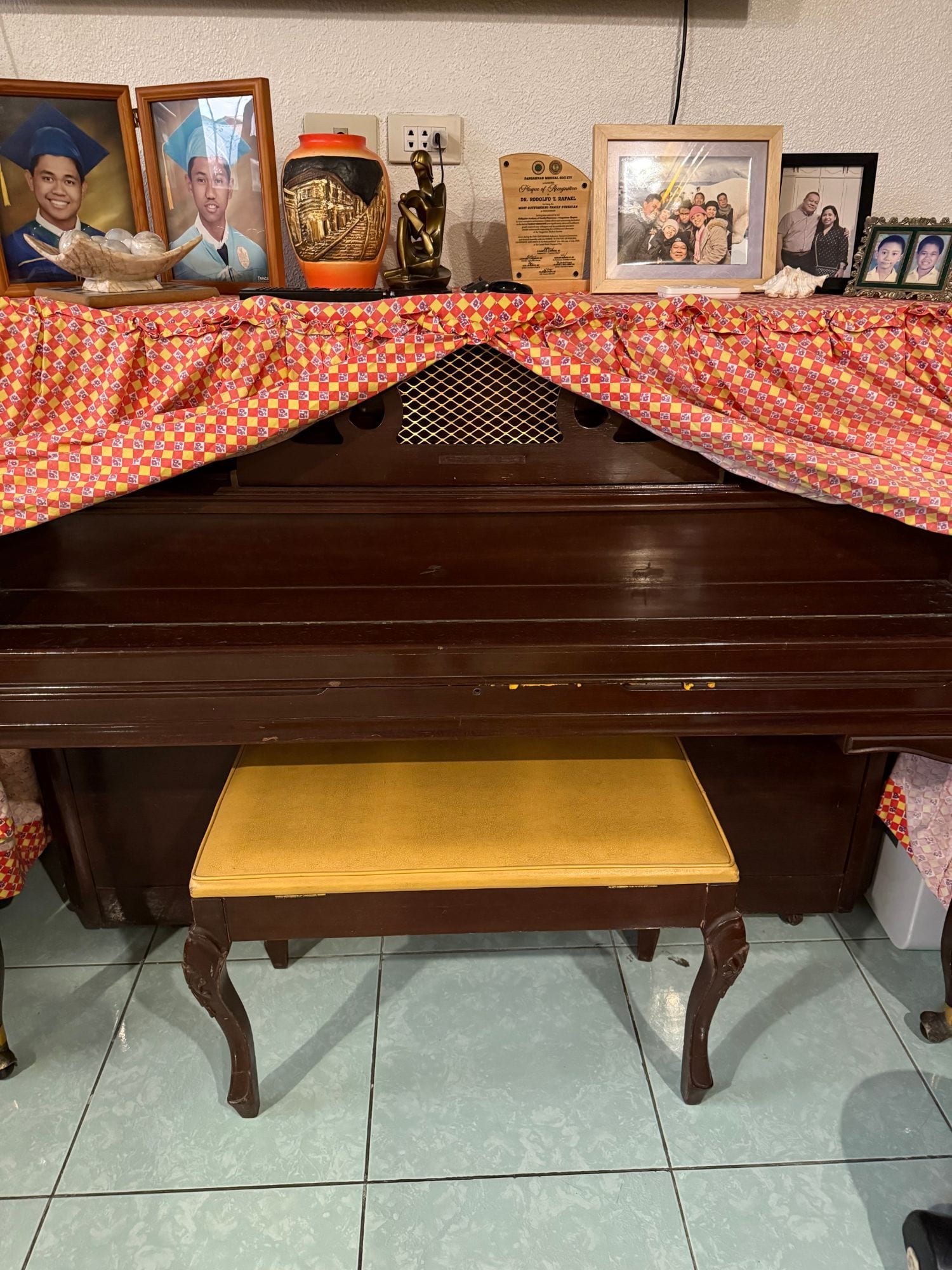
I was the kind of child who left things unfinished.
Not everything. One thing. The moment my father started cooking, whatever I was holding went down — the book, the game outside, the piano in the middle of a scale. I would go to the kitchen and stand where I could see the pan.
Nobody sent me there. There was no chore list in our house with my name on it, and no one telling me that a girl ought to learn these things. I went because something was happening in that room and I did not want to miss it.
What I was allowed to do
Everything that came before the cooking.
I prepared the vegetables. I cleaned the fish, which is not a job you hand to a squeamish child, and I stopped being squeamish quickly. I fetched, I measured, I held things steady. Whatever that day's recipe needed, that was my work.
It felt like being trusted. I think it was.
Looking back, the arrangement was close to perfect. I had all the good parts of the kitchen — the smell, the noise, the standing next to him — and none of the pressure of the stove itself. He was cooking. I was simply in it.
My father invented
He was a great cook. He was also, and this I did not appreciate until much later, a cook who made things up.
Chicken, pork, beef — he had his own way with each of them. He had his own recipes for vegetables too, which is the harder thing. Anyone can make pork taste good. Vegetables ask more from you.
He did not work from a book. He tasted, adjusted, remembered, and the next time it came out better.
There was one dish everybody asked him for. He called it bistek. It was beef, and that is about where the resemblance ends — look the word up today and you will find pages of recipes that have nothing to do with his. He borrowed the name because it was the closest one available. The dish itself was his.
Those recipes did not die with him. I still cook them, and not from a notebook. They live in my hands. My family eats my father's food most nights without knowing whose food it is, which is a strange and good thing to be standing there thinking while you stir.
That is what a recipe actually is. Not a list of ingredients. A set of small decisions somebody made a thousand times until their body learned them, passed on to another body that stood close enough to watch.
Then it was my sons' turn
They started in high school.
I did not sit them down and announced that they were going to learn to cook. I only involved them whenever they were free. Come here, hold this, taste that, tell me if it needs salt. The same arrangement I had, one generation over.
And they enjoyed it, which surprises people, because teenagers are supposed to want to be somewhere else. But a kitchen with someone in it is one of the few places in a house where you can be together without having to look at each other, and boys that age need exactly that.
Whenever they were free, is the important part of that. Never when they were not. The moment it becomes a duty on a Tuesday, it stops being the thing I am describing and turns into a chore with a mother attached to it.
We were not having lessons. We were making dinner. The teaching was accidental, and I have come to believe that is the only reason it took.
Now they cook without me
They are grown. They have their own places, their own kitchens, their own hours.
They cook their own food, at whatever time is convenient for them, which is usually a time I would not approve of. They go to the supermarket and buy their own ingredients. I know how small that sounds. I have watched enough young men live out of paper bags to know that it is not small at all.
Nobody supervises them. Nobody has to.
I am proud of that in a way I did not expect to be. It is not pride in their cooking, exactly. It is knowing that if I never said another word about food, they would still eat well — and that one day someone else in their house will eat well because of it.
What actually gets handed down
Not a recipe. A habit of standing close.
I never decided to love cooking. I loved my father, and he was always in the kitchen, so the kitchen is where I went. Everything else — the knife work, the timing, the patience with vegetables — came in through the side door while I was busy paying attention to him.
I think that is how it moves. Nobody in this story was ever taught anything on purpose. We were each somebody's child in a kitchen, handed a fish and told to make ourselves useful.
That scale was never finished. I have not missed it.
Comments
No comments yet. Be the first to write to Dra. Amy.
Leave a comment