What people mean when they say that, and why the blood sugar does not agree
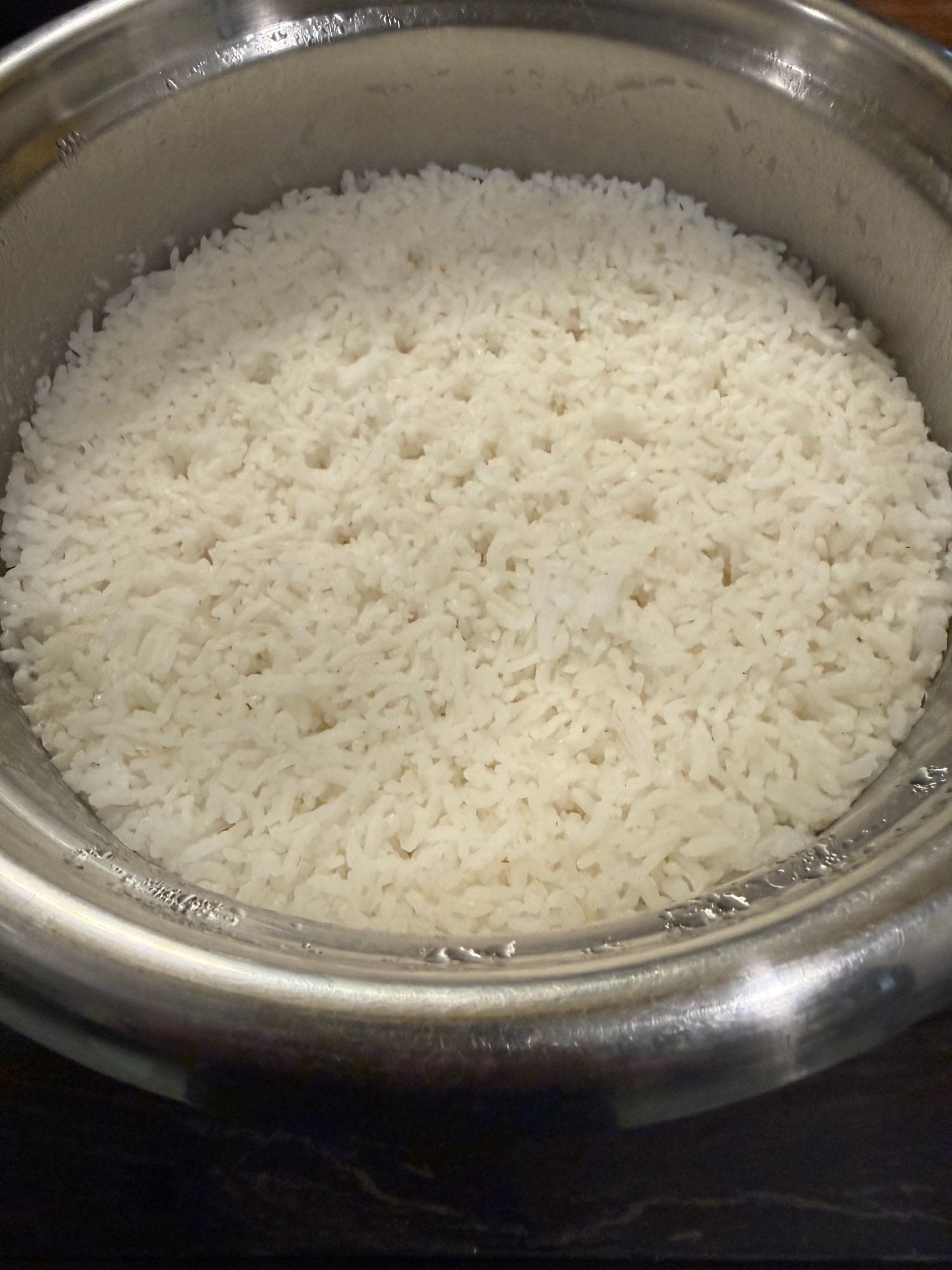
"I do not eat rice anymore, Doctor."
I hear this several times a week, usually said with a little pride. I have learned to wait before answering, because the useful question comes next.
Then what do you eat?
"Bread."
How many?
"Three. Sometimes four."
The patient is not lying to me. They were told to cut down on rice and they did exactly that, faithfully. No one ever explained what rice was.
What rice actually is
Rice is starch, and starch is glucose held together in a long chain. Chewing begins to break the chain. The small intestine finishes the job. What reaches the blood is not rice. It is sugar.
Bread is the same chain in a different shape. So is pandesal, so is spaghetti, so is pancit, so is cake, so is every malagkit wrapped in banana leaf on the market table. Corn. Potato. Camote. Oatmeal, for that matter.
None of these taste sweet, and that is precisely the trouble. We judge food by the tongue. The pancreas does not.
Sweetness is a flavor. Sugar is a chemistry. They are not the same thing, and confusing the two is how a person can eliminate rice from their diet and see their blood sugar climb anyway.
Three to four pieces
Numbers help here, more than warnings do.
One cup of cooked rice carries roughly forty-five grams of carbohydrate. A pandesal carries about fifteen. So three or four pieces of bread is not a substitute for rice. It is a cup of rice, more or less, with a different name on it.
Now add the rest of the day. Rice at breakfast, rice at lunch, rice at dinner, each one a heaping cup, or a plate full of it, because that is how it is served at home. That is not a diet with too much rice in it. That is a diet made almost entirely of glucose, arriving in waves, from morning until night.
The pancreas answers every wave with insulin. It will do this for years without complaining. Then one day the fasting blood sugar comes back at 180 and everyone is surprised.
The bottle beside the plate
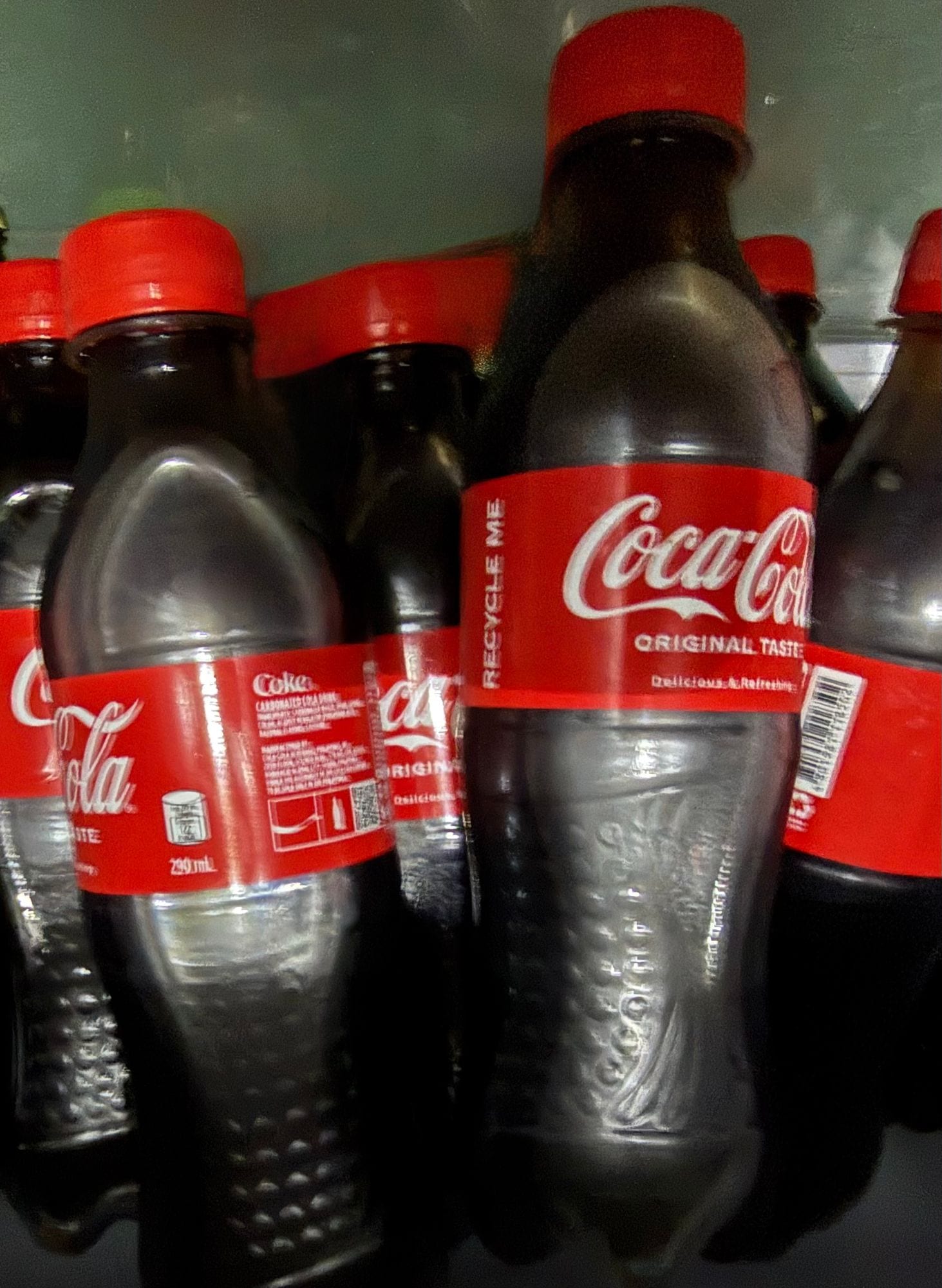
This is the part that worries me most, and it is almost never mentioned. I have to ask about it separately.
A regular can of Coke holds around thirty-five grams of sugar. That is close to nine teaspoons, in a can or bottle most people finish in a few minutes. There is no chain to break, no fiber slowing it down, nothing to chew. It goes almost directly into the blood.
A liter and a half on the table at dinner, shared by a family, is not a treat. It is the largest single source of sugar in most households I see.
Water is dull, they say. But a person who drinks softdrinks with every meal and wonders why the sugar is high has already found the answer and does not recognize it.
If you are thirsty all the time, getting up at night to pass urine, or losing weight without trying, do not wait for your next check-up. Get a fasting blood sugar this week.
"Then what is left for me to eat?"
I get this question constantly, and it is asked almost in despair.
It tells me something: for many families, carbohydrate is not part of the meal. It is the meal. Everything else is a flavoring for the rice.
So, the honest answer. Fish. Chicken. Pork. Egg. Tokwa and monggo. Gulay of every kind, and more of it than feels normal at first. These are foods that do not turn into sugar the way starch does, and most are already in your kitchen. If not, then you need to have a garden.
Look at the plate instead of the food. Half of it vegetables. A quarter protein. A quarter rice, one level cup, and one is enough. Same plate, rearranged.
Notice that rice is still on it.
Because rice was never the villain here. Three cups of it a day, with pandesal in between and a softdrink beside it, is a different matter entirely. The problem is not that we eat rice. It is that we have let it eat the whole plate.
Where to start
Not with everything at once. That fails by the second week.
Start with what you drink. Take the softdrinks off the table and put water there instead, and change nothing else for a month. It is the single largest reduction in sugar most families can make, and it costs nothing.
Then take out the snacks. The potato chips. The cake. The pancit in the afternoon. The puto, the biko, the suman, the malagkit bought on the way home because it was there, and it was tempting. These are eaten even while standing up, between meals, and almost never counted as food. They are food. They are the same glucose as the rice, arriving in the hours the pancreas was meant to rest.
Then take the rice down to one cup a meal, and fill the space it leaves with gulay rather than with bread.
And when the doctor asks what you eat, count the pandesal out loud. Count the pancit. Count the bottle.
That is not a small thing. That is most of the work.
Comments
No comments yet. Be the first to write to Dra. Amy.
Leave a comment