Why so many people start exercising and stop, and what kept us going
I started exercising in high school, long before I understood what it was doing for me.
Mostly jogging and aerobics. Back when aerobics was what everyone seemed to be doing. And I watched what I ate, which I have come to believe did as much of the work as the running did. You cannot outrun a plate. I learned that early and I have never had to unlearn it.
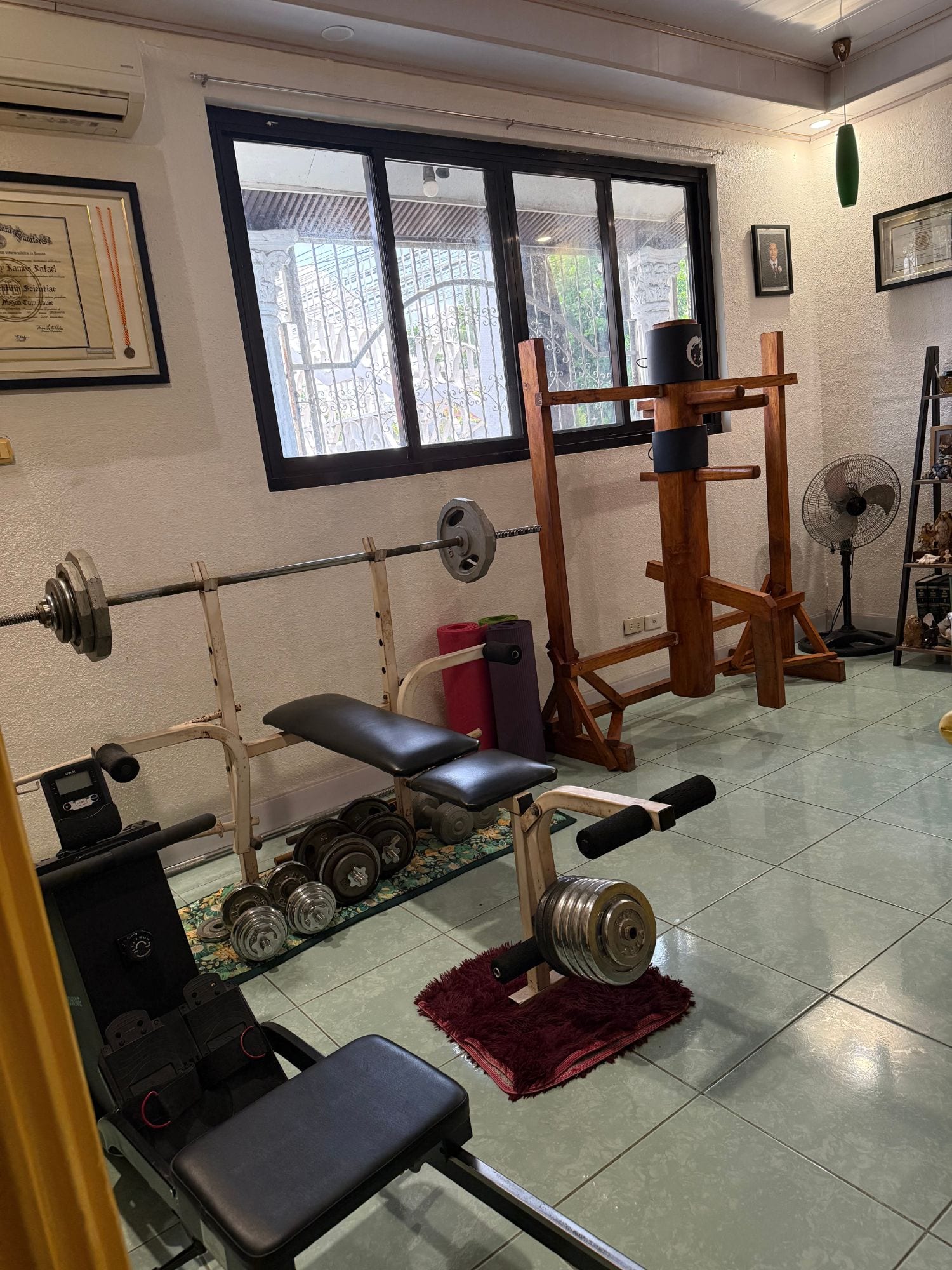
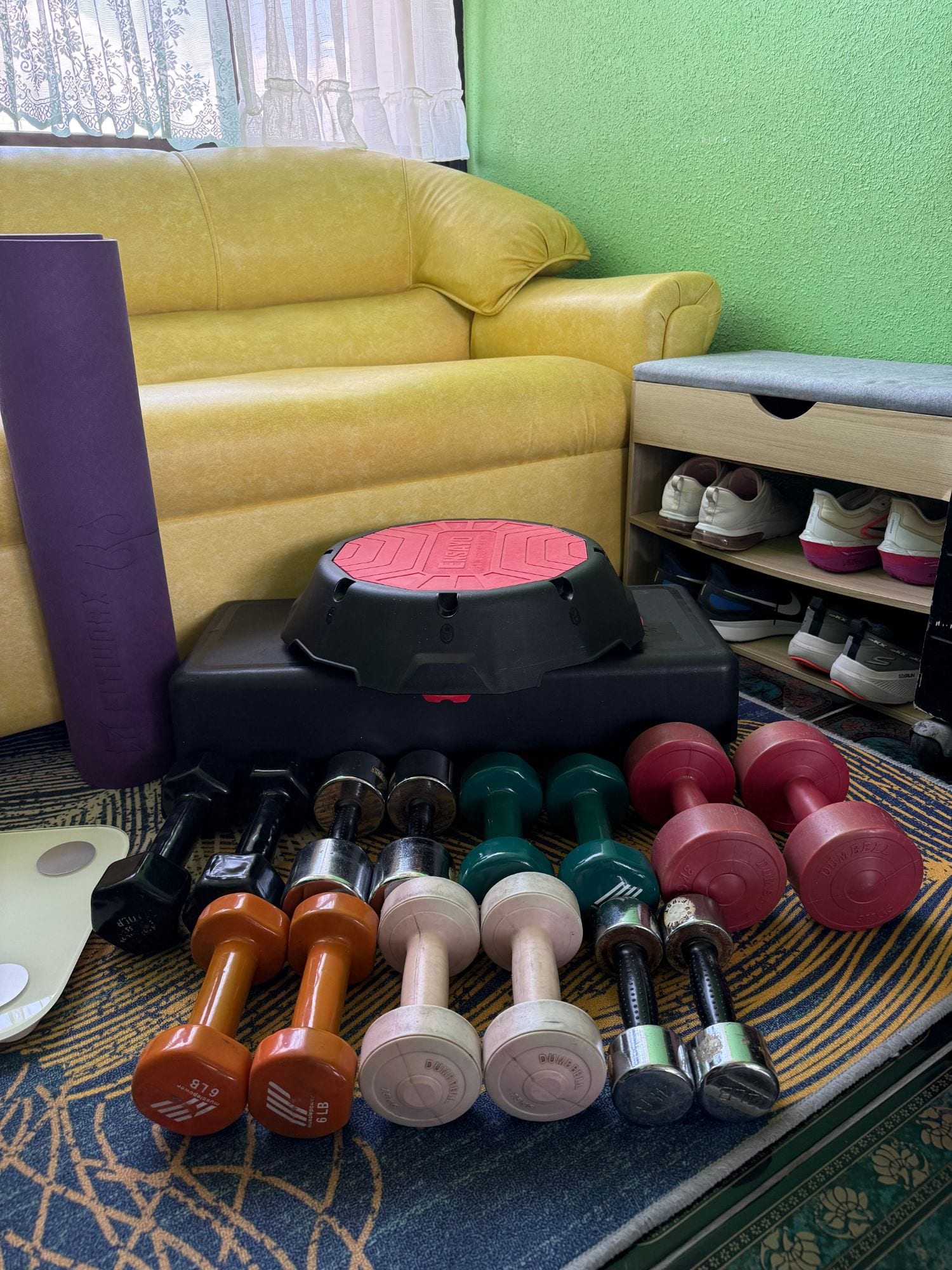
Then I met my husband, who was already an avid exerciser and already lifting weights. After we married, I started lifting, too. That was also when we began buying our own equipments and weights, and the house slowly turned into a place where exercise simply lived.
Why we kept at it
It was never only about the body.
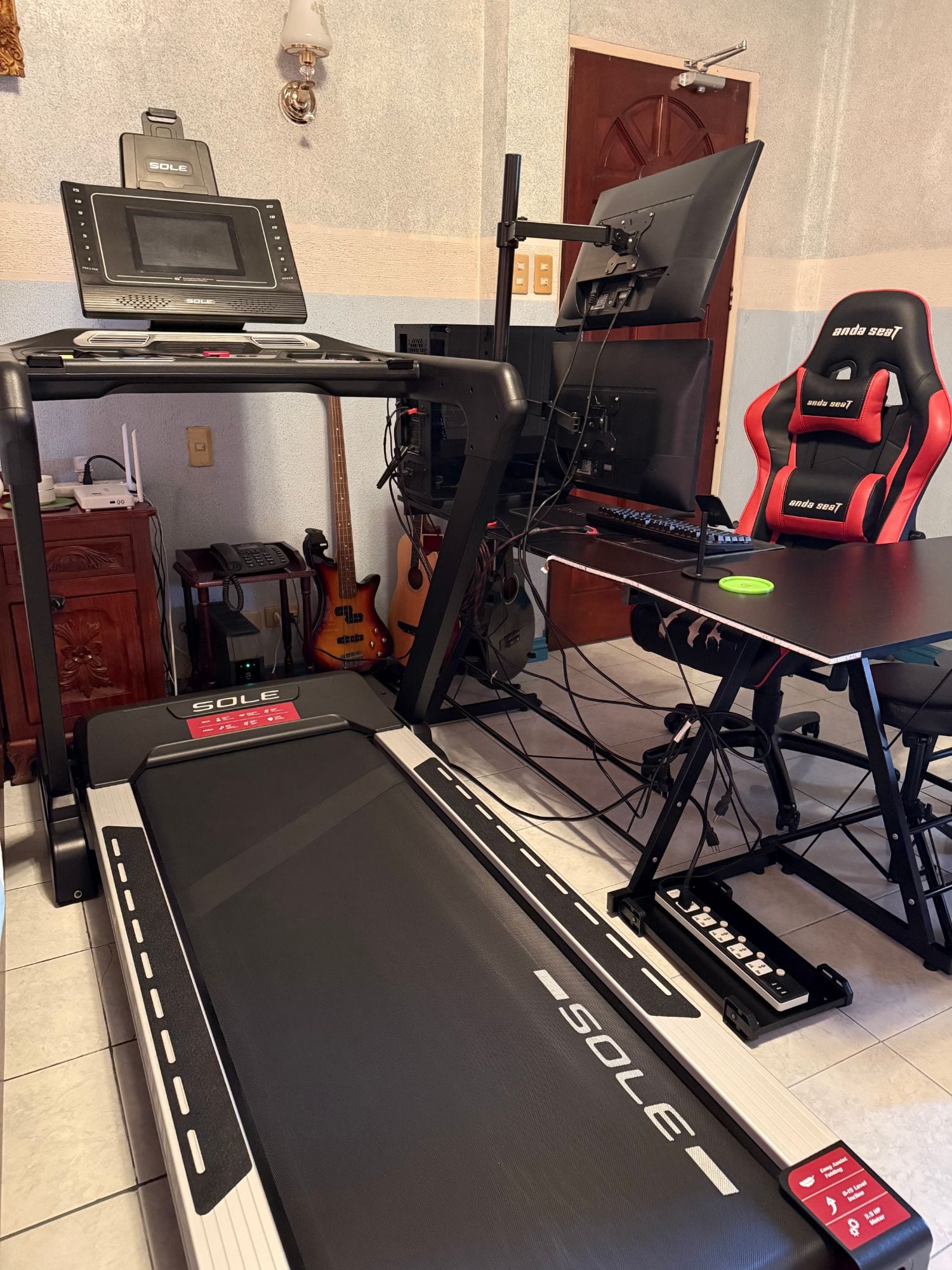
Work was heavy. Parenting was heavy in a different way. Exercise became the part of the day neither of those could reach. You cannot worry about a difficult case while you are finishing the last set. The body takes up all the room. For both of us, it was how we put the day down. Destress.
And the children were watching.
Children learn what a household does far more than what it says. Ours saw two parents who exercised the way other families eat dinner together: as a normal part of the day, not an event. Both are grown now. Both still exercise regularly.
I did not plan that. But I am very glad of it.
Why so many people stop
I see it all around me. Someone begins with great seriousness, and a few weeks later the shoes are back in the corner. When I ask what happened, the reasons are nearly always the same.
Expecting too much, too soon. Two weeks of real effort, the scale barely moves, and the conclusion is that exercise does not work. It does. It is only slower than hope.
Doing the wrong kind of work for the goal. Hundreds of sit-ups will not take off the belly. The belly fat disappears once you start to lose weight. Low-yield exercises, the ones that give a poor return of investment in terms of calorie burn, muscle stimulation and functional strength for the time and effort you put in, should be dropped.
Hurting. Some soreness a day or two after a new exercise is normal. It is the muscle repairing small injuries in its fibers, and it fades within a few days and lessens each time. Sharp pain, pain in a joint, or pain that worsens as you go is something else. That is the body asking you to stop. Many people cannot tell the two apart, so they quit at ordinary soreness, or they push through a real injury until it becomes a permanent one.
Seeing no change. Which usually means one of the first three.
What I would tell anyone starting
Give it a month. Not a week. Within four weeks most people notice something: they sleep better, the stairs are easier, the same weight feels lighter, bones previously covered by fat start to appear, balance is better. You feel stronger.
The mirror catches up later. Notice the other things first.
Warm up and cool down. Five to ten minutes of easy movement before, and the same after. Warm muscle stretches where cold muscle tears. It is the dullest part of the routine, and it is also the part that lets you still be exercising next year. You cannot just turn off an overheating engine if you don't want it damaged. Cool down.
Find what works for you. For me it was jogging first, and weights later. Try a few things. Brisk walking counts, and so does swimming. Include some aerobic work and some resistance work, because they do different jobs. The best exercise is the one you will still be doing six months from now.
Start with the minimum. Thirty minutes a day, five days a week, for 150 minutes. Brisk enough that holding a conversation takes a little effort. Something that will bring your heart rate to more than 100 beats per minute. Then build slowly, adding time or intensity, not both at once.
If you have heart disease or high blood pressure, trouble with your joints, or you have not exercised in years, start with walking and talk to your doctor before anything harder.
What it gives back
Once you keep at it, the list becomes almost embarrassing. Blood pressure comes down. Blood sugar behaves. Sleep deepens. Bones and muscles hold on longer, and the joints stay steadier because the muscle around them is doing its share. The mood lifts, and stays lifted. You look younger and stay beautiful. Actually, more beautiful and more self-confident.
I did not start for any of these. I started because I was young and it felt good to run. I kept going because it became the way I carried stress, and then because it was simply who we were.
The children never needed to be told any of this.
The weights were always in the house, and so were we.
Comments
No comments yet. Be the first to write to Dra. Amy.
Leave a comment