The island of Catanduanes abound with abaca. You can notice it among the shrubs and trees as you travel in the island. If you are not keen enough you will not be able to distinguish it from a banana tree because they look alike. That's because they came from the same family.
Aside from farming and fishing, harvesting abaca is one of the occupations of the natives here. They harvest the fiber from the leaves and stems of the abaca tree. Once harvested they let the fiber dry under the heat of the sun. Then they bring the dried fiber to Tabaco, Albay where they are made into handcrafted products. These handycrafts are then sold in the locality or exported abroad.
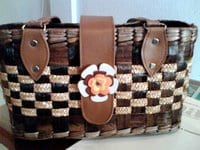
Bags (as what you see in the photo above right) are the majority of the products they make out of abaca. They also do shoes, slippers, carpets, clothing, and certain furnitures out of this fiber. The first time I came to Tabaco, Albay which was 7 years ago, the bags are still very cheap. Nowadays they sell from PhP 160 to PhP 200 depending on quality. The bigger ones sell at PhP 200 to PhP 400.
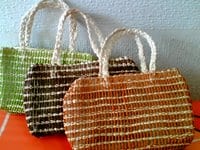
These bags (photo below) I was able to buy at PhP 100 for 3 pieces. Colors range from green, light brown, dark brown, and orange. They are nice as pasalubong to friends.
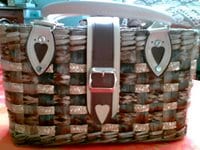
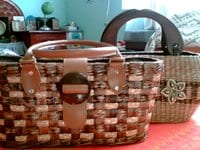
These bigger ones sell at PhP 160 to PhP 180 when you buy them at Tabaco. When these same bags reach Manila, they will already sell at PhP 500.
Comments
No comments yet. Be the first to write to Dra. Amy.
Leave a comment